EBC Webstore
Eastern Book Company

|
|||
|
|||
 Home > LAW BOOKS > Inactive > Society, Politics and Philosophy > Sociology > |




 5
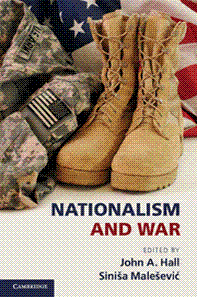
Has the emergence of nationalism made warfare more brutal? Does strong nationalist identification increase efficiency in fighting? Is nationalism the cause or the consequence of the breakdown of imperialism? What is the role of victories and defeats in the formation of national identities? The relationship between nationalism and warfare is complex, and it changes depending on which historical period and geographical context is in question. In Nationalism and War, some of the worlds leading social scientists and historians explore the nature of the connection between the two. Through empirical studies from a broad range of countries, they explore the impact that imperial legacies, education, welfare regimes, bureaucracy, revolutions, popular ideologies, geopolitical change, and state breakdowns have had in the transformation of war and nationalism. Contents
Introduction: wars and nationalisms
Part I. Fighting for the Nation?: 1. Does nationalist sentiment increase fighting efficacy? A skeptical view from the sociology of violence
2. Mercenary, citizen, victim: the rise and fall of conscription in the West
Part II. The Varieties of Nationalist Experience: 3. The state-to-nation balance and war
4. State violence in the origins of nationalism: British counterinsurgency and the rebirth of Irish nationalism, 196972
5. When does nationalism turn violent? A comparative analysis of Canada and Sri Lanka
Part III. Empires and Nation-States: 6. Empire and ethnicity
7. The role of nationalism in the two world wars
8. Empire, ethnicity and power: a comment
9. Is nationalism the cause or consequence of the end of empire?
1. Obliterating heterogeneity through peace: nationalisms, states and wars in the Balkans
Part IV. Empty Shells, Changed Conditions: 11. Internal wars and Latin American nationalism
12. War and nationalism: the view from Central Africa
13. Victory in defeat? National identity after civil war in Finland and Ireland
14. When nationalists disagree: who should one hate and kill?
Author/Editor Details
Edited by: John A. Hall, McGill University, Montral
Edited by: Sinisa Malesevic, University College Dublin


|

Click on TITLE to choose available options.
|
|
Click on TITLE to choose available options.
|

|
Click on TITLE to choose available options.
|

|
Click on TITLE to choose available options.
|

|
Click on TITLE to choose available options.
|
|
Click on TITLE to choose available options.
|

|
|

|
Click on TITLE to choose available options.
|
|
Click on TITLE to choose available options.
|
|
||
|
||
|