✖
EBC Webstore

Eastern Book Company

Rating

GET - On the Play Store

View
About Us
+About Us
SHOP
CART
Breadcrumb LocationHome > GLOBAL > Jurisprudence and General Issues > Legal history >
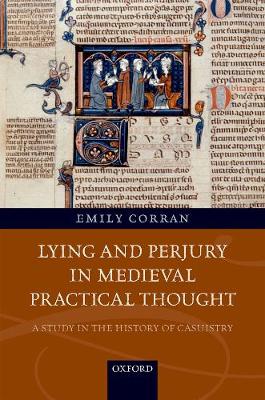
Lying and Perjury in Medieval Practical Thought: A Study in the History of Casuistry
0%
Saving
Great Deals

Lying and Perjury in Medieval Practical Thought: A Study in the History of Casuistry

Rs.6000.00
0% off
Lying and Perjury in Medieval Practical Thought: A Study in the History of Casuistry 0 Reviews | Write A Review
Your selected options are:
Free Shipping
FREE DELIVERY:
Want a Shipping Estimate? Add an Indian Pin Code, Click Here

Ships in 3-4 Weeks
This Product
Ships in 3-4 Weeks

recommendation
Recommend
recommendation 1

  • Share
    4
  • Share
    2
  • Share
    5
  • Share
    5
  • Send By e-mail

Product Details:

Format: Hardback
Publisher: Oxford University Press
Language: English
Dimensions: 24.00 X 2.00 X 17.00
Publisher Code: 9780198828884
Date Added: 2018-08-11
Search Category: International
Jurisdiction: International

Overview:

Thought about lying and perjury became increasingly practical from the end of the twelfth century in Western Europe. At this time, a distinctive way of thinking about deception and false oaths appeared in the schools of Paris and Bologna, most notably in the Summa de Sacramentis et Animae Consiliis of Peter the Chanter. This kind of thought was concerned with moral dilemmas and the application of moral rules in exceptional cases. It was a tradition which continued in pastoral writings of the thirteenth century, the practical moral questions addressed by theologians in universities in the second half of the thirteenth century, and in the Summae de Casibus Conscientiae of the late Middle Ages. Lying and Perjury in Medieval Practical Thought argues that medieval practical ethics of this sort can usefully be described as casuistry - a term for the discipline of moral theology that became famous during the Counter-Reformation. This can be seen in the origins of the concept of equivocation, an idea that was explored in medieval literature with varying degrees of moral ambiguity. From the turn of the thirteenth century, the concept was adopted by canon lawyers and theologians, as a means of exploring questions about exceptional situations in ethics. It has been assumed in the past that equivocation, and the casuistry of lying was an academic discourse invented in the sixteenth century in order to evade moral obligations. This study reveals that casuistry in the Middle Ages was developed in ecclesiastical thought as part of an effort to explain how to follow moral rules in ambiguous and perplexing cases.
+ View More

Table Of Contents:

Introduction 1: Equivocation and Casuistry: An Idea and its Genres 2: The Early Casuistry of Lying and Perjury 3: Moral Dilemmas: Peter the Chanter's Summa de Sacramentis et Animae Consiliis 4: Lying and Perjury in Confessors' Manuals: Continuities in Casuistical Thought 5: Theoretical Problems and Authoritative Voices: Pastoral Thought on Concealment in the Theology Faculties of the Late Thirteenth Century 6: Some Comments on Later Casuistry and 'Jesuitical' Equivocation Conclusion Appendix: Texts and Translations Bibliography
+ View More

Commendations

Related Products

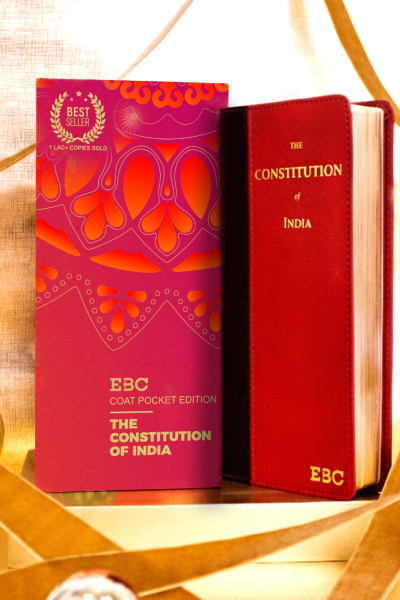
The Constitution of India | Coat Pocket Edition
By Gopal Sankaranaraya...
rateing4
Click on TITLE to choose available options.
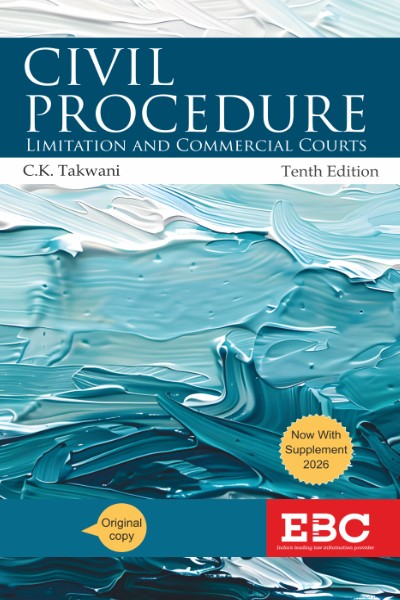
Civil Procedure (CPC) | With Limitation and Commercial Courts
By C K Takwani
rateing4
Click on TITLE to choose available options.
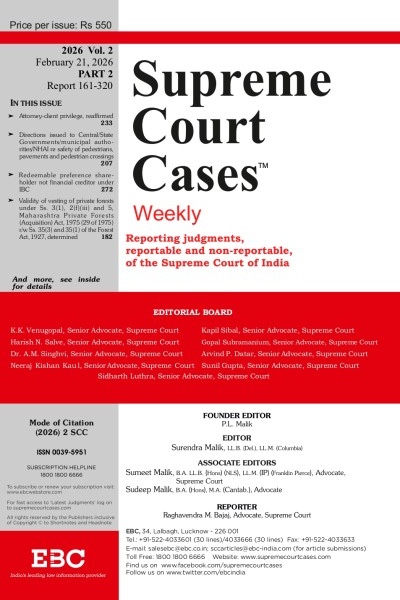
Supreme Court Cases (SCC) Annual Subscription
By EBC
rateing5
Click on TITLE to choose available options.
EBC Reader Platinum Edition | Annual Subscription Law eBooks
By EBC
rateing5
Click on TITLE to choose available options.