EBC Webstore
Eastern Book Company

|
|||
|
|||
 Home > LAW BOOKS > Business Law > Banking, Finance and Insurance Law > 1st Edition, 2026 Home > LAW BOOKS > Business Law > Banking, Finance and Insurance Law > 1st Edition, 2026 |




 5
5
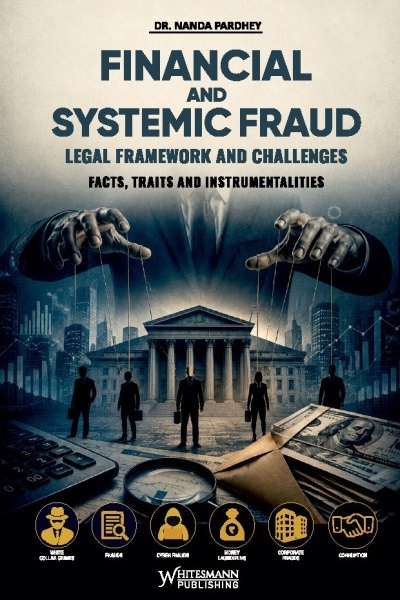
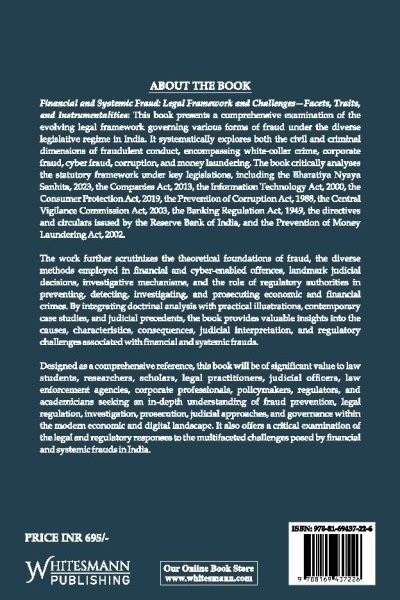
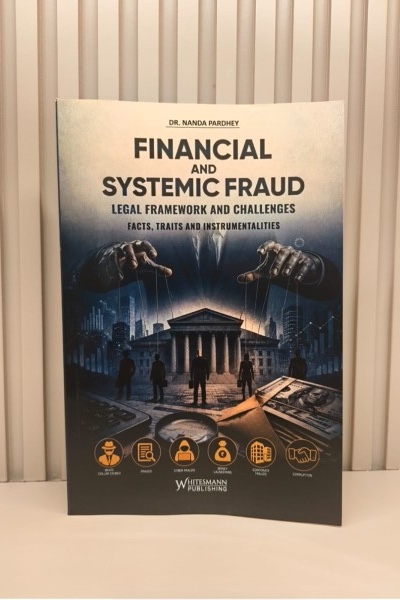
Financial and Systemic Fraud: Legal Framework and Challenges - Facets, Traits, and Instrumentalities offers a comprehensive analysis of the legal and regulatory framework governing financial, corporate, cyber, and economic frauds in India. Covering both civil and criminal dimensions, the book examines key legislation, landmark judicial decisions, investigative processes, and the role of regulatory authorities in combating fraud. Combining doctrinal analysis with practical illustrations and contemporary case studies, it provides a thorough understanding of the causes, consequences, prevention, investigation, and prosecution of financial and systemic frauds in the modern economic and digital environment.
Key Features:
This book is an essential resource for law students, researchers, academicians, legal practitioners, judicial officers, corporate professionals, compliance officers, investigators, law enforcement agencies, financial institutions, policymakers and regulators.



|

Click on TITLE to choose available options.
|
|
Click on TITLE to choose available options.
|

|
Click on TITLE to choose available options.
|

|
Click on TITLE to choose available options.
|

|
Click on TITLE to choose available options.
|
|
Click on TITLE to choose available options.
|

|
|

|
Click on TITLE to choose available options.
|
|
Click on TITLE to choose available options.
|
|
||
|
||
|