EBC Webstore

Eastern Book Company

Rating

GET - On the Play Store

View
About Us
+About Us
SHOP
CART
Breadcrumb LocationHome > GLOBAL > Constitutional and administrative law > Human rights and civil liberties law >
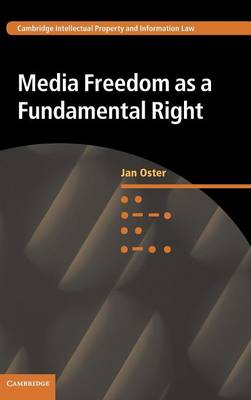
Cambridge Intellectual Property and Information Law: Series Number 30: Media Freedom as a Fundamental Right
0%
Saving
Great Deals

Cambridge Intellectual Property and Information Law: Series Number 30: Media Freedom as a Fundamental Right

Rs.8999.00
0% off
Cambridge Intellectual Property and Information Law: Series Number 30: Media Freedom as a Fundamental Right 0 Reviews | Write A Review
Your selected options are:
Free Shipping
FREE DELIVERY:
Want a Shipping Estimate? Add an Indian Pin Code, Click Here

Ships in 3-4 Weeks
This Product
Ships in 3-4 Weeks

recommendation
Recommend
recommendation 1

  • Share
    4
  • Share
    2
  • Share
    5
  • Share
    5
  • Send By e-mail

Product Details:

Format: Hardback
Publisher: Cambridge University Press
Language: English
Dimensions: 23.00 X 3.00 X 16.00
Publisher Code: 9781107098954
Date Added: 2018-08-10
Search Category: International
Jurisdiction: International

Overview:

Domestic constitutions and courts applying international human rights conventions acknowledge the significance of the mass media for a democratic society, not only by granting special privileges but also by imposing enhanced duties and responsibilities to journalists and media companies. However, the challenges of media convergence, media ownership concentration and the internet have led to legal uncertainty. Should media privileges be maintained, and, if so, how is 'the media' to be defined? To what extent does media freedom as a legal concept also encompass bloggers who have not undertaken journalistic education? And how can a legal distinction be drawn between investigative journalism on the one hand and reporting on purely private matters on the other? To answer these questions, Jan Oster combines doctrinal and conceptual comparative analysis with descriptive and normative theory, and argues in favour of a media freedom principle based on the significance of the media for public discourse.
+ View More

Table Of Contents:

Introduction: aim, scope and method of this study; Part I. The Theoretical Foundations of Media Freedom: 1. The rationales for freedom of expression; 2. Theory of media freedom; Part II. General Rules on Media Freedom: 3. Beneficiaries of media freedom: who is 'the media'?; 4. The content of media freedom: media speech privileges and institutional protection of the media; 5. The notion of an 'interference' with media freedom; 6. Justification of an interference with media freedom; Part III. Specific Limitations to Media Freedom: 7. Personality rights and intellectual property as 'rights of others'; 8. Threats to public order interests: national security, territorial integrity, public safety and prevention of disorder and crime; 9. The protection of health and morals; 10. Maintaining the authority and impartiality of the judiciary; 11. Incitement to hatred; 12. Religiously offensive publications; 13. Restrictions on commercial publications; 14. Media pluralism; Conclusion.
+ View More

Commendations

Related Products

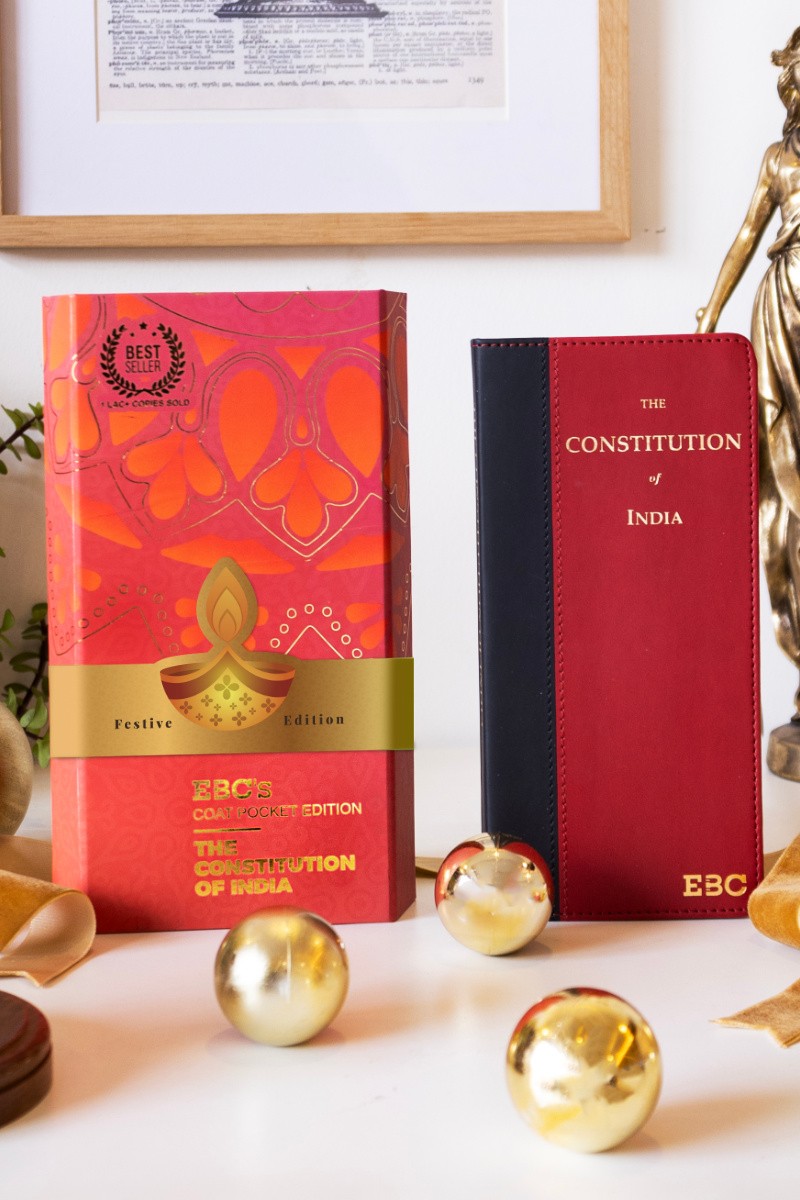
The Constitution of India (Coat Pocket Edition)
By Gopal Sankaranaraya...
rateing4
Click on TITLE to choose available options.
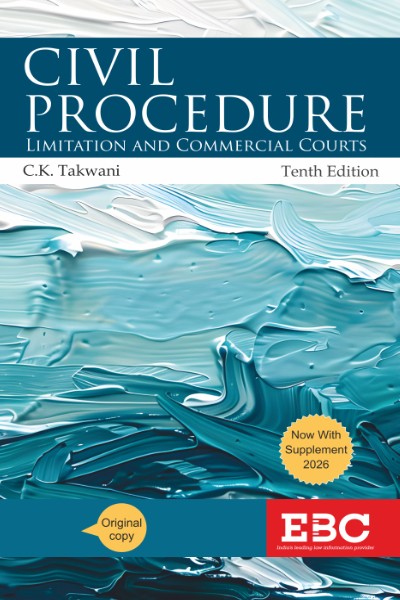
Civil Procedure (CPC) | With Limitation and Commercial Courts
By C K Takwani
rateing4
Click on TITLE to choose available options.
Supreme Court Cases (SCC) 2026 Annual Subscription
By EBC
rateing5
Click on TITLE to choose available options.
EBC Reader Platinum Edition - Annual Subscription Law eBooks
By EBC
rateing5
Click on TITLE to choose available options.
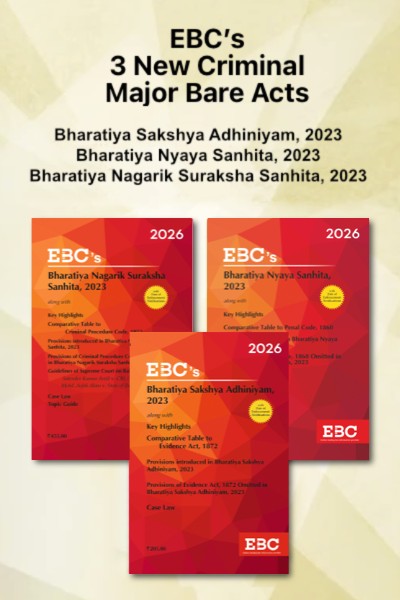
EBC's Combo of New Criminal Major Bare Acts
By EBC
rateing5
Click on TITLE to choose available options.
EBC's Combo of Commentaries on New Criminal Laws
By J K Verma
rateing5
Click on TITLE to choose available options.
Swamy Handbook For Central Government Staff (English) - 2026
By Muthuswamy, Brinda,...
rateing4
Rs. 600.00  Rs. 540.00