EBC Webstore
Eastern Book Company

|
|||
|
|||
 Home > LAW BOOKS > Business Law > Information Technology & Cyber Law > 1st Edition, 2026 Home > LAW BOOKS > Business Law > Information Technology & Cyber Law > 1st Edition, 2026 |


 5
5
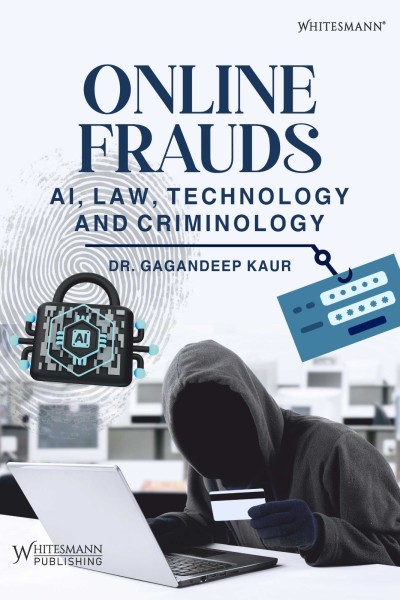
Online Frauds: AI, Law, Technology, and Criminology offers a comprehensive and interdisciplinary examination of online fraud in the digital age. The book explores the evolution of fraud from traditional forms to complex cyber-enabled and AI-assisted crimes, integrating perspectives from criminology, law, and technology. It provides conceptual clarity on cyber criminology, examines diverse typologies of online frauds, and situates these developments within the Indian legal framework, while also offering comparative international insights.
Key Features:
This book is intended for law students, criminology scholars, legal practitioners, judges, law enforcement officials, policymakers, and researchers interested in cybercrime, online frauds, and the legal challenges posed by artificial intelligence.



|

Click on TITLE to choose available options.
|
|
Click on TITLE to choose available options.
|

|
Click on TITLE to choose available options.
|

|
Click on TITLE to choose available options.
|

|
Click on TITLE to choose available options.
|
|
Click on TITLE to choose available options.
|

|
|

|
Click on TITLE to choose available options.
|
|
Click on TITLE to choose available options.
|
|
|
|
||
|
||
|