EBC Webstore
Eastern Book Company

|
|||
|
|||
 Home > GLOBAL > International Law > Public international law > International organisations and institutions > 1st Edition, 2016 Home > GLOBAL > International Law > Public international law > International organisations and institutions > 1st Edition, 2016 |



 1
1
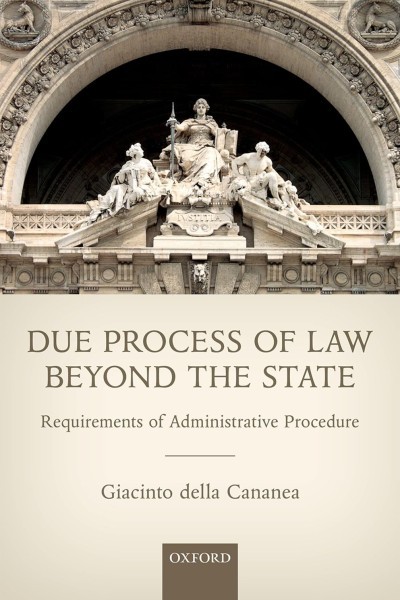
Traditionally the issues concerning the exercise of administrative powers by public authorities were considered a type of national enclave. It was the responsibility of the state to ensure that adequate procedural safeguards were in place to prevent the government from interfering with the rights of its citizens. During the last few decades, however, a variety of sets of rules regarding procedural due process has developed to govern the conduct of those public authorities who operate on a regional or world regulatory footing, such as the European Union and the World Trade Organization.
Analysing the procedural due process requirements applicable to administrative procedure beyond the borders of the States, this volume demonstrates how regional and global regulatory regimes impose requirements that are strikingly similar to those set out by the most developed legal systems of the world. The book argues that such requirements of administrative procedure are justified not only by the traditional concerns for the protection of individual interests against the misuse of power by public authorities, but also by other values, such as good governance and cooperation between public authorities. Finally, the book conceptualizes such rules as legal requirements which arbitral tribunals and other agencies should respect when interpreting standards of justice.
Key Features:
1:Administrative Justice: A Transnational Perspective
Part I - Requirements of Administrative Due Process
2:The Requirement to Carry Out a Procedure
3:Audi Alteram Partem
4:The Giving Reasons Requirement
Part II - The Rationales for Due Process Requirements
5:Variety of Rationales for Due Process Requirements
6:Dignity and Participation
7:Sound Administration and Cooperation
Part III - A Theory of Administrative Due Process Beyond the State
8:Administrative Due Process: A Conceptual Analysis
9:Administrative Due Process as a General Principle of Public Law
10:Administrative Due Process as a General Principle of Public Law


|

Click on TITLE to choose available options.
|
|
Click on TITLE to choose available options.
|

|
Click on TITLE to choose available options.
|

|
Click on TITLE to choose available options.
|

|
Click on TITLE to choose available options.
|
|
Click on TITLE to choose available options.
|

|
|

|
Click on TITLE to choose available options.
|
|
Click on TITLE to choose available options.
|
|
||
|
||
|