EBC Webstore
Eastern Book Company

|
|||
|
|||
 Home > 2026 Home > 2026 |



 5
5
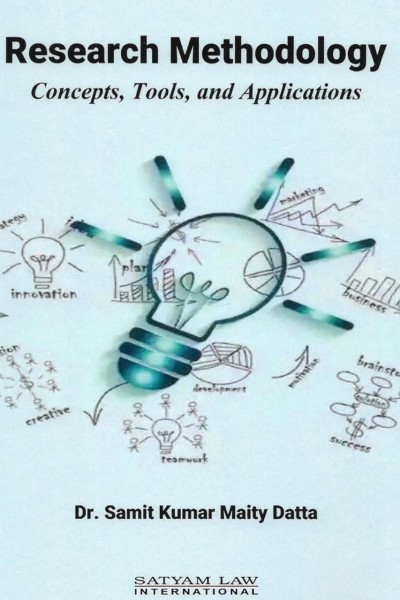
Research Methodology: Concepts, Tools, and Applications by Dr. Samit Kumar Maity Datta is a comprehensive and practice-oriented guide designed to equip students and early-career researchers with a structured understanding of the research process. The book bridges the gap between theoretical foundations and practical implementation by presenting a systematic roadmap—from identifying a research problem to drafting the final research report. Organized into well-defined modules, it addresses core components such as research design, hypothesis formulation, qualitative and quantitative methodologies, sampling techniques, data collection instruments, and analytical procedures. With clarity, accessibility, and interdisciplinary relevance, the book supports learners across social sciences, business studies, education, and applied sciences.
Key Features:
This book is particularly useful for undergraduate and postgraduate students, research scholars, PhD aspirants, faculty members, and professionals engaged in academic or applied research. It is especially beneficial for learners in social sciences, management, commerce, education, and interdisciplinary programs who require both conceptual clarity and practical research skills. The structured and accessible approach makes it an ideal resource for coursework, dissertation preparation, and independent research projects.
CHAPTER–1: Fundamentals of Research – 1
1.1 Meaning and Definition of Research – 1
1.2 Objectives of Research – 3
1.3 Nature of Research – 8
1.4 Characteristics of Research – 11
1.5 Types of Research – 14
1.6 Significance of Research – 19
1.8 Research Methods versus Methodology – 26
1.9 Research Process – 28
1.10 Ethical Principles of Research – 32
CHAPTER–2: Research Problem – 35
2.1 Meaning of Research Problem – 35
2.2 Selecting the Problem – 36
2.3 Purpose of a Research Problem – 38
2.4 Types of Research Problems – 40
2.5 Research Problem Formulation Steps – 42
CHAPTER–3: Research Design – 45
3.1 Definition of Research Design – 45
3.2 Importance of Research Design – 46
3.3 Components of Research Design – 50
3.4 Characteristics of Good Research Design – 53
3.5 Different Types of Research Designs – 56
3.6 Criteria of Good Research Design – 59
CHAPTER–4: Hypothesis – 62
4.1 Definition of Hypothesis – 62
4.2 Characteristics of Hypothesis – 64
4.3 Kinds of Hypothesis – 66
4.4 Hypothesis Testing Procedure – 69
4.5 Sources of Hypothesis – 71
4.6 Roles of Hypothesis – 74
4.7 Examples of Hypothesis – 80
CHAPTER–5: Sampling – 83
5.1 Definitions of Sampling – 83
5.2 Importance of Sampling – 87
5.3 Characteristics of Good Sample – 92
5.4 Basis of Sampling – 94
5.5 Advantages of Sampling – 96
5.6 Disadvantages of Sampling – 97
CHAPTER–6: Data Collection Tools – 100
6.1 Meaning and Importance of Data Collection Tools – 100
6.2 Classification of Data Collection Tools – 102
6.3 Ethical Factors in Data Collection – 107
CHAPTER–7: Data Analysis – 109
7.1 Definition of Data Analysis – 109
7.2 Types of Data Analysis – 110
7.3 Procedures for Data Analysis – 114
7.4 Significance of Data Analysis in Research – 117
7.5 Limitations in Data Analysis – 119
7.6 Data Interpretation and Findings – 122
CHAPTER–8: Descriptive and Experimental Methods of Research – 126
8.1 Definition of Descriptive Research – 126
8.2 Characteristics of Descriptive Research – 127
8.3 Types of Descriptive Research – 129
8.4 Advantages of Descriptive Research – 131
8.5 Limitations of Descriptive Research – 132
8.6 Definition of Experimental Research – 133
8.7 Characteristics of Experimental Research – 134
8.8 Types of Experimental Research – 136
8.9 Advantages of Experimental Research – 138
8.10 Limitations of Experimental Research – 140
CHAPTER–9: Interpretation and Research Report Writing – 142
9.1 Meaning of Interpretation – 142
9.2 Importance of Interpretation in Research – 143
9.3 Interpretation Techniques – 144
9.4 Pre-writing Considerations of Research Report – 146
9.6 Structure of a Research Report – 149
9.7 Precautions for Writing Research Reports – 153
9.8 Typing Instructions – 155
9.9 Oral Presentation – 160
Appendices
Appendix A: Research Problem Formulation Template – 162
Appendix B: Data Collection Templates – 164
Appendix C: Ethical Clearance Form – 166
Appendix D: Statistical Analysis Table – 168
Appendix E: Sample Questionnaire and Research Tools – 170
Appendix F: Research Report Template – 176
Appendix G: Ph.D. Thesis Submission Guidelines – 179
Selected References and Recommended Readings – 181



|

Click on TITLE to choose available options.
|

|
Click on TITLE to choose available options.
|

|
Click on TITLE to choose available options.
|

|
Click on TITLE to choose available options.
|

|
Click on TITLE to choose available options.
|
|
Click on TITLE to choose available options.
|

|
|

|
Click on TITLE to choose available options.
|

|
Click on TITLE to choose available options.
|
|
|
|
||
|
||
|