EBC Webstore
Eastern Book Company

|
|||
|
|||
 Home > 2026 Home > 2026 |



 5
5
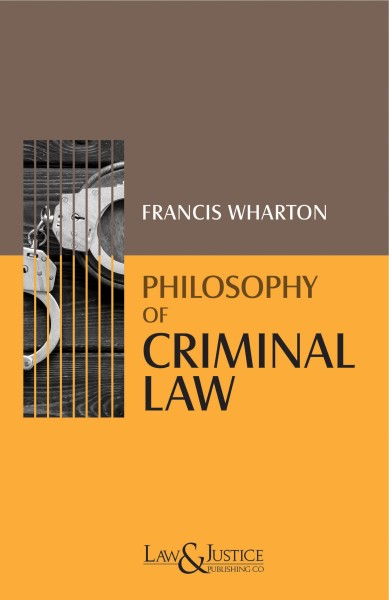
Philosophy of Criminal Law by Francis Wharton is a classic work that examines the philosophical foundations and theoretical principles underlying criminal law. The book explores the moral, social, and legal justifications of criminal responsibility, punishment, and the administration of justice. It analyzes how legal systems define crime, determine culpability, and impose penalties based on established jurisprudential doctrines. Through detailed discussion of legal philosophy and doctrinal reasoning, the work highlights the relationship between law, morality, and public policy in shaping criminal justice systems. The book remains an important reference for understanding the conceptual framework of criminal law and the philosophical reasoning behind criminal liability and punishment.
Key Features
This book is particularly useful for law students studying criminal jurisprudence, legal scholars researching criminal law theory, judiciary aspirants, and academicians interested in the philosophical basis of criminal justice. It also serves as a helpful reference for legal professionals who wish to understand the theoretical foundations that guide the interpretation and development of criminal law.


|

Click on TITLE to choose available options.
|
|
Click on TITLE to choose available options.
|

|
Click on TITLE to choose available options.
|

|
Click on TITLE to choose available options.
|

|
Click on TITLE to choose available options.
|

|
Click on TITLE to choose available options.
|

|
|

|
Click on TITLE to choose available options.
|

|
Click on TITLE to choose available options.
|

|
|
|
||
|
||
|