EBC Webstore
Eastern Book Company

|
|||
|
|||
 Home > 2019 Home > 2019 |


 1
1
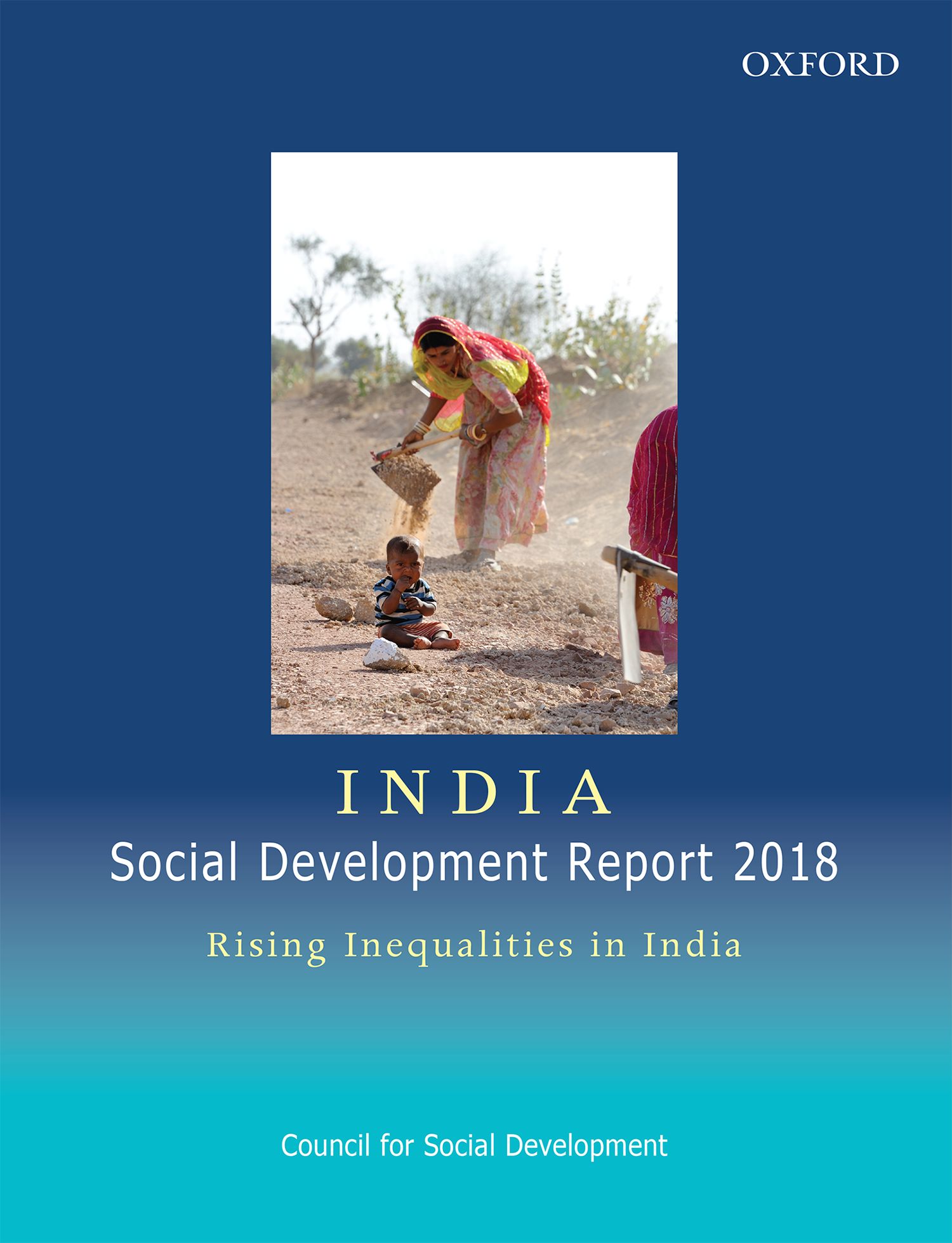
In recent years India has seen remarkable growth in the GDP. Despite this, the country continues to face high levels of indebtedness and poverty, among various marginalized communities and growing disparities in income and wealth. India: Social Development Report 2018 explores various dimensions of the relationship between the nature of economic development and inequality and provides a comprehensive analysis of the challenges and implications of rising inequities in India. The report addresses the concerns of inequality in terms of inter-regional and rural–urban issues, factor markets, and gender dimensions with respect to unequal access to education and health care and the exclusion of Dalits, Adivasis, minorities, and other relegated groups. The twenty-two chapters of the report, divided across seven sections, are based on extensive research and policy analysis of contributing authors in the fields of poverty, inequality, inclusive growth, disparities in wages, incomes, and standards of living, and unequal access to land, labour, and credit. The report shows a possible way forward by suggesting several policy measures that would help reduce inequalities and achieve fair levels of living for all sections of the population. Going beyond a purely economic measurement, the report argues that the relationship between economic growth and inequality is to be understood through other factors and trends such as those related to politics, social relations, and changes in technology.



|

Click on TITLE to choose available options.
|

|
Click on TITLE to choose available options.
|

|
Click on TITLE to choose available options.
|

|
Click on TITLE to choose available options.
|

|
Click on TITLE to choose available options.
|

|
Click on TITLE to choose available options.
|

|
|

|
Click on TITLE to choose available options.
|

|
Click on TITLE to choose available options.
|
|
|
|
||
|
||
|