EBC Webstore
Eastern Book Company

|
|||
|
|||

 Home > TAX > Accounting Professionals > Insolvency and Bankruptcy Code Home > TAX > Accounting Professionals > Insolvency and Bankruptcy Code |



 5
5
This volume offers a comprehensive commentary on the SARFAESI Act, 2002, situating it within the broader framework of India?s debt recovery laws. It presents an authoritative treatment of the statutory mechanisms enabling secured creditors to enforce security interests without court intervention, while explaining the legislative evolution, institutional architecture, and underlying policy objectives of financial asset reconstruction. Covering Sections 1 to 19, the book clarifies core concepts such as securitisation, enforcement timelines, rights of borrowers, and regulatory oversight, making it a foundational reference for understanding modern debt resolution frameworks in India.
Key Features
? Detailed commentary on Sections 1 to 19 of the SARFAESI Act, focusing on statutory interpretation and practical application.
? Integrates related legislation, including the Recovery of Debts and Bankruptcy Act, 1993, and the Insolvency and Bankruptcy Code, 2016.
? Provides structured analysis of enforcement procedures available to secured creditors.
? Includes insights into financial asset reconstruction, enforcement of security interest, and institutional roles such as asset reconstruction companies (ARCs).
? Offers practical guidance for navigating regulatory compliance and lender-borrower disputes.
? Designed to assist practitioners handling litigation before DRTs, DRATs, and courts relating to financial recovery and enforcement.
This book is intended for banking and finance lawyers, insolvency professionals, judges, credit recovery officers, and legal advisors working with banks, NBFCs, and ARCs. It also serves academic researchers and postgraduate law students seeking a structured understanding of India?s debt enforcement mechanisms.



|

Click on TITLE to choose available options.
|
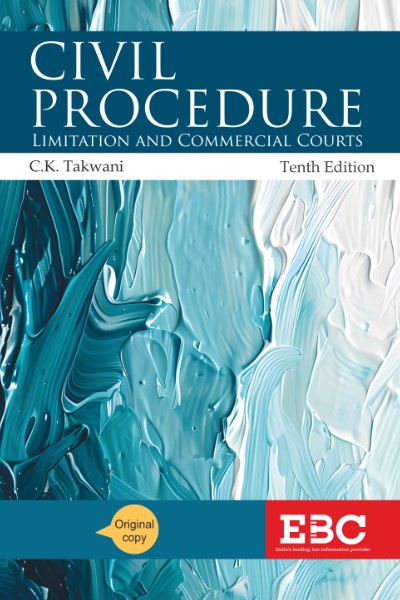
|
Click on TITLE to choose available options.
|
![The Practical Lawyer - PLW [Annual Subscription]](https://s3.amazonaws.com/ebcwebstore/images/the-practical-lawyer-magazine-annual-subscription.png)
|
Click on TITLE to choose available options.
|

|
Click on TITLE to choose available options.
|

|
Click on TITLE to choose available options.
|

|
Click on TITLE to choose available options.
|

|
|

|
Click on TITLE to choose available options.
|

|
Click on TITLE to choose available options.
|
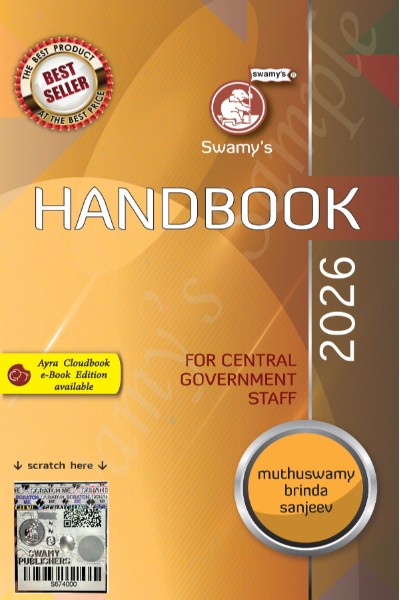
|
|
|
||
|
||
|