


EBC Webstore
Eastern Book Company

|
|||
|
|||

 Home > LAW BOOKS > Civil Litigation > Civil Procedure and Practice Home > LAW BOOKS > Civil Litigation > Civil Procedure and Practice |




 5
5
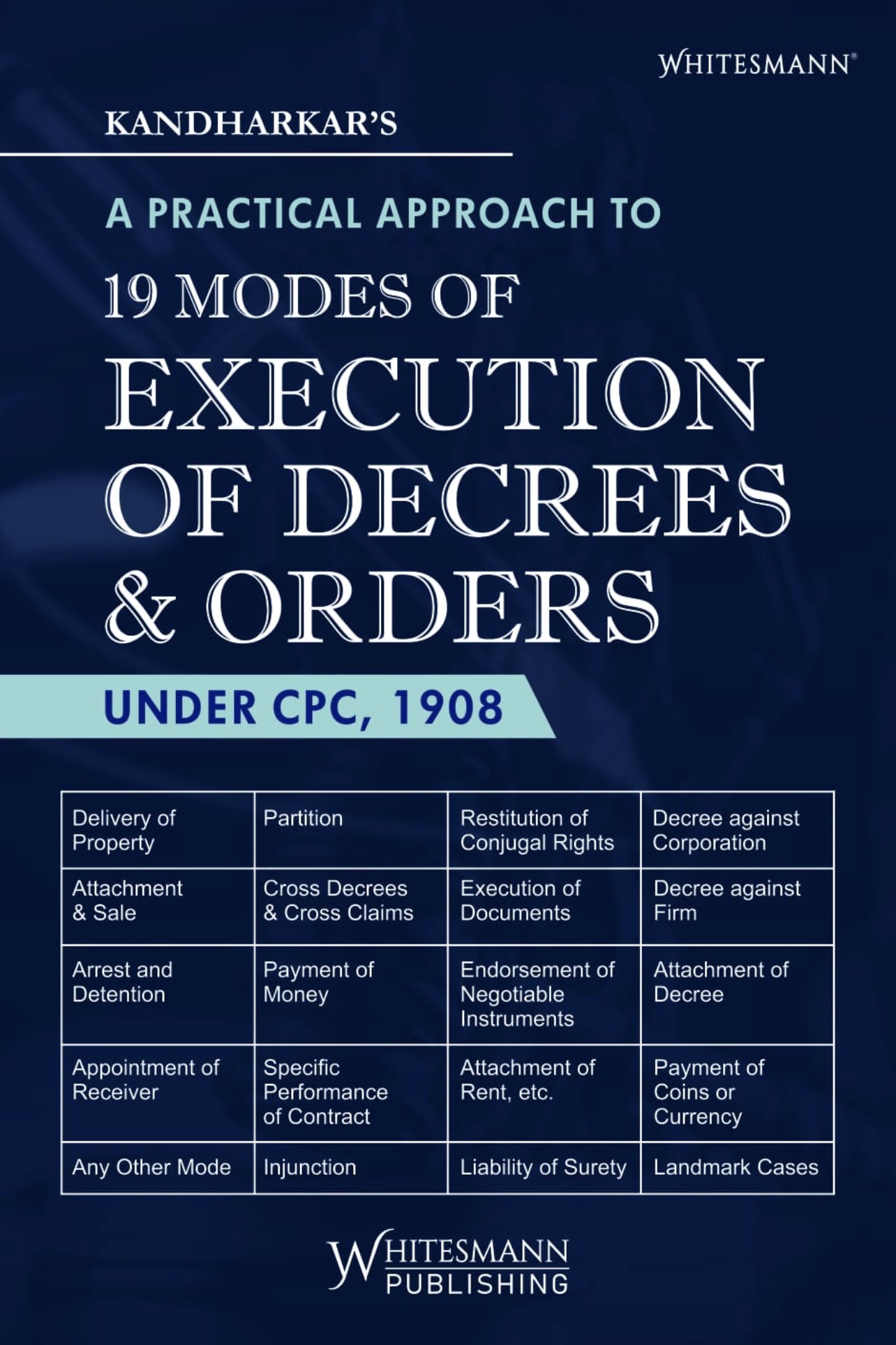
This book presents a comprehensive and practice-oriented exposition of execution proceedings under the Code of Civil Procedure, 1908, with focused attention on the statutory framework of Section 51. It elucidates the legal architecture governing enforcement of decrees and orders, exploring how courts operationalize various execution modes-from property delivery and attachment procedures to arrest, detention, and appointment of receivers. The treatment is both doctrinal and practical, guiding readers through the jurisprudential underpinnings, procedural safeguards, and judicial responsibilities involved when courts exercise coercive powers in civil execution matters.
Key Features
The book is designed for legal practitioners, judges, academicians, and advanced law students who engage with civil litigation and the enforcement of judgments. It serves as a vital reference for professionals seeking clarity on procedural nuances, statutory mandates, and judicial trends in execution proceedings.



|
Click on TITLE to choose available options.
|

|
Click on TITLE to choose available options.
|
![The Practical Lawyer - PLW [Annual Subscription]](https://s3.amazonaws.com/ebcwebstore/images/the-practical-lawyer-magazine-annual-subscription.png)
|
Click on TITLE to choose available options.
|

|
Click on TITLE to choose available options.
|

|
Click on TITLE to choose available options.
|

|
Click on TITLE to choose available options.
|

|
|

|
Click on TITLE to choose available options.
|

|
Click on TITLE to choose available options.
|
|
|
|
||
|
||
|


