EBC Webstore
Eastern Book Company

|
|||
|
|||
 Home > LAW BOOKS > Autobiographies, Biographies & General Interest > General Interest > Indian Reprint, 2023 Home > LAW BOOKS > Autobiographies, Biographies & General Interest > General Interest > Indian Reprint, 2023 |



 1
1
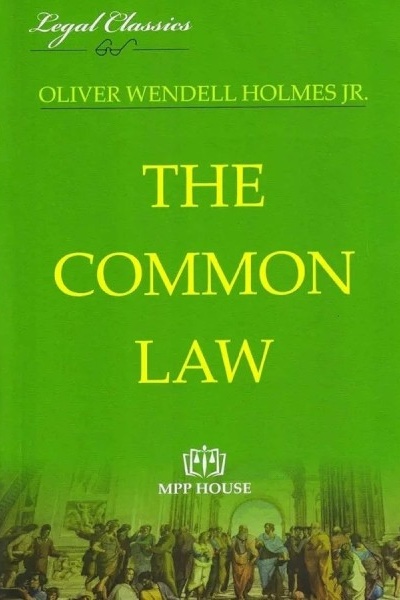
The Common Law (1881) is Oliver Wendell Holmes Jr.'s foundational work of jurisprudence, developed from lectures he gave at the Lowell Institute in Boston.
Holmes seeks to show how the common law system evolves over time - not purely by logical deduction, but largely by adapting to changing social, political, moral, and economic conditions. He emphasizes that law is a living institution: it must meet the needs of society while preserving continuity with past precedents.
Some key points and themes:

|

Click on TITLE to choose available options.
|
|
Click on TITLE to choose available options.
|

|
Click on TITLE to choose available options.
|

|

Click on TITLE to choose available options.
|

|
Click on TITLE to choose available options.
|
|
Click on TITLE to choose available options.
|

|
|

|
Click on TITLE to choose available options.
|

|
Click on TITLE to choose available options.
|
|
|
|
||
|
||
|