EBC Webstore
Eastern Book Company

|
|||
|
|||
 Home > LAW BOOKS > Autobiographies, Biographies & General Interest > General Interest > Indian Economy Reprint 2025 Home > LAW BOOKS > Autobiographies, Biographies & General Interest > General Interest > Indian Economy Reprint 2025 |



 5
5
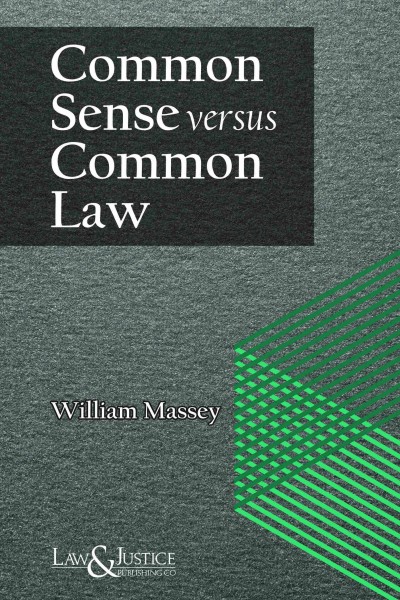
Common Sense Versus Common Law is a critical examination of the English common law system by William Nathaniel Massey, an English banker and historian. In this work, Massey argues that the common law, with its reliance on precedent and complex procedures, often obstructs justice and fails to serve the needs of the common people. He contrasts this with the principles of "common sense," advocating for a legal system that is more accessible, straightforward, and aligned with the practical realities of everyday life.
Key Features:
For those interested in the evolution of legal thought and historical critiques of the common law system, Common Sense Versus Common Law offers valuable insights into the legal reform debates of the 19th century.

|

Click on TITLE to choose available options.
|
|
Click on TITLE to choose available options.
|

|
Click on TITLE to choose available options.
|

|

Click on TITLE to choose available options.
|

|
Click on TITLE to choose available options.
|
|
Click on TITLE to choose available options.
|

|
|

|
Click on TITLE to choose available options.
|

|
Click on TITLE to choose available options.
|
|
|
|
||
|
||
|



.jpg)